


Applications
Rhamnolipids: All-natural Biosurfactant
Pharmaceutical and Cosmeceutical (Excipient, adjuvant, bioactive properties)
Excipient and adjuvant possibilities including solubilizer, emulsifier, efficacy enhancer. Bioactive functionalities include inhibition of bacterial growth, cytotoxic effects, immune response stimulation, antiviral effects, anti-adhesion effects on prostheses against pathogenic organisms, cell membrane permeation for recovery of intracellular products, cell lysis, surface motility effects, bio-film regulation and inhibition. As an anti-bacterial, rhamnolipids exert toxicity on cell membrane permeability using a detergent effect, and are proven effective against Mycobacterium tuberculosis and Gram-negative bacteria P. aeruginosa, Enterobacter aerogenes, Serratia marcescens and Klebsiella pneumonia, as well as against Gram-positive Micrococcus sp., Streptococcus sp., Staphylococcus sp. and Bacillus sp. As an anti-fungal, they directly lyse zoospores. Other bioactive functionality includes nanopartical synthesis using rhamnolipids with a microemulsion technique.
Cosmetics and Personal Care (Surfactant, emulsifier properties)
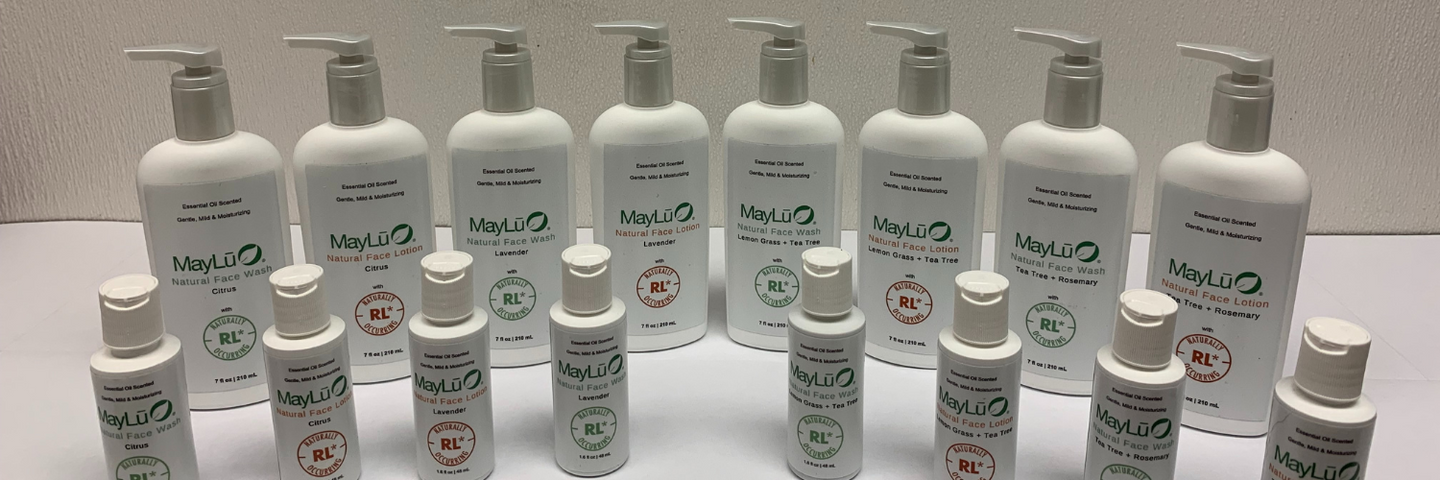
Rhamnolipids provide excellent detergency/wetting along with outstanding foaming properties. They provide stable emulsion and microemulsion formation, and are highly soluble. Surfactant and emulsion specifications include reducing the surface tension of water to 25 dynes/cm, Criticle Micelle Concentration of 40-65 mg/L, and decreasing the Inter-Facial Tension of oil and water to <1 dyne/cm. Toward the skin they are mild and promote skin growth. Rhamnolipids may be used as cleaners, emulsifiers and foaming agents in Bath Products, Body Washes, Conditioners, Creams and Body Lotions, Facial Creams, Facial Cleansers, Liquid Soaps, Anti-Acne Washes and Shampoos. They are all-natural, sustainable, biodegradable, non-toxic and will support Ecocert and other green product registrations.
Biocide
Biocidal applications include algicide, fungicide, herbicide, bio-film inhibitor, and adjuvant for pesticides. Rhamnolipids are proven phytotoxic with low MIC (Minimum Inhibitory Concentration) towardseveral species of HAB (Harmful Algae Bloom) as well as toward over 23 fungal species. At the same time, they are friendly toward the environment.
Bioremediation of Soil / Water
Rhamnolipid biosurfactants are produced by P. aeruginosa, a bacterium naturally occurring in petrocarbon-laden soil. As a result, they are a natural fit for in situ or ex situ soil remediation projects concerning hydrocarbons. Furthermore, they are especially good at remediating soils containing PAHs, one of the most toxic pollutants. Elimination of heavy metals and pesticides from soil are also available applications. High quality rhamnolipid biosurfactants may also be combined with other systems for optimized soil remediation focused on target pollutants. Remediating industrial waste water from food processing and other industries, and ‘produce water’ from oil/gas operations are also possible with our rhamnolipid biosurfactant.
Enhanced Oil Recovery / Tank Cleaning / Pipeline Flow Efficiency
Due to their superior performance in separating hydrocarbons from water and sediments, rhamnolids are becoming an important ingredient in the tank cleaning and oil recovery industry. Cleanup based on biosurfactants successfully removes sludge from tank bottoms, and recovers more than 90% of the hydrocarbon trapped in the sludge. Biosurfactant solutions can outperform synthetic surfactants in this application. At the same time they avoid all harmful environmental impact and dramatically reduce the waste volume at the end of the process.


